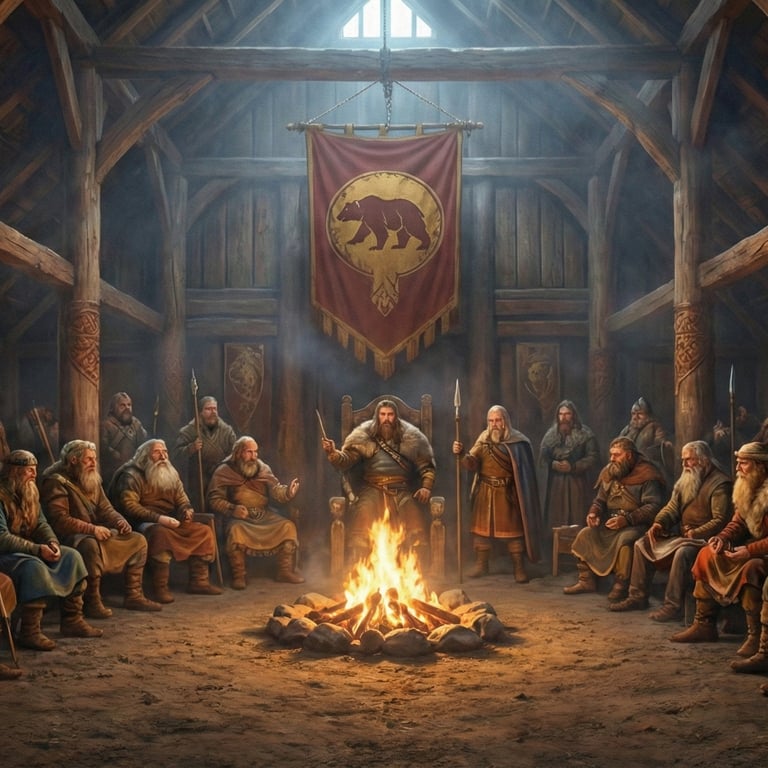
Borgravian History
Age of Origin
Many tribes, One of them the Borgrave was the largest and most influential. Created the Borgravian Union. One year later the Union imploded when a palace coup killed the entire Borgravian tribal leadership. The region fell back into a patchwork of independent counties ruled by a count.
27 AS - Bolsh Confederacy established - The nine largest Duchies formed the loose political union
55 AS - Northern War erupts between the duchies of Navarosk and Bulikov. Pulls in other Duchies. In the end only 5 duchies remain.
123 AS - The Duchy of Gormond absorbs the Duchy of Volchimir in bloodless coup
76 SR - Duchy of Gormond makes the Sanctorian Church the state religion
162 SR - Duchy of Kravona ends in a series of economic scandals. Gormond send in troops to restore order.
173 SR - Navarosk rebellion is successful
252 SR - Duke of Bulikov is murdered in a palace coup by family members.
253 SR - Duchy of Gormond sends in troops to “restore” order and takes over the Bulikov.
263 SR - Navarosk swears allegiance to Gormond
265 SR - The High Realm of Borgravia is established with the Vozhd of Gormond as its leader
I. The Shattered Union and the Bolsh Era (Age of Origin – 27 AS)
The region was once a tapestry of disparate tribes. The Borgrave tribe, the most dominant among them, successfully established the Borgravian Union. However, the dream of a unified state vanished within a year when a palace coup wiped out the tribal leadership. The land regressed into a collection of independent counties, each operating in isolation until 27 AS, when the Bolsh Confederacy was formed by the nine largest duchies to create a loose political defensive front.
II. The Northern War and the Rise of Gormond (55 AS – 123 AS)
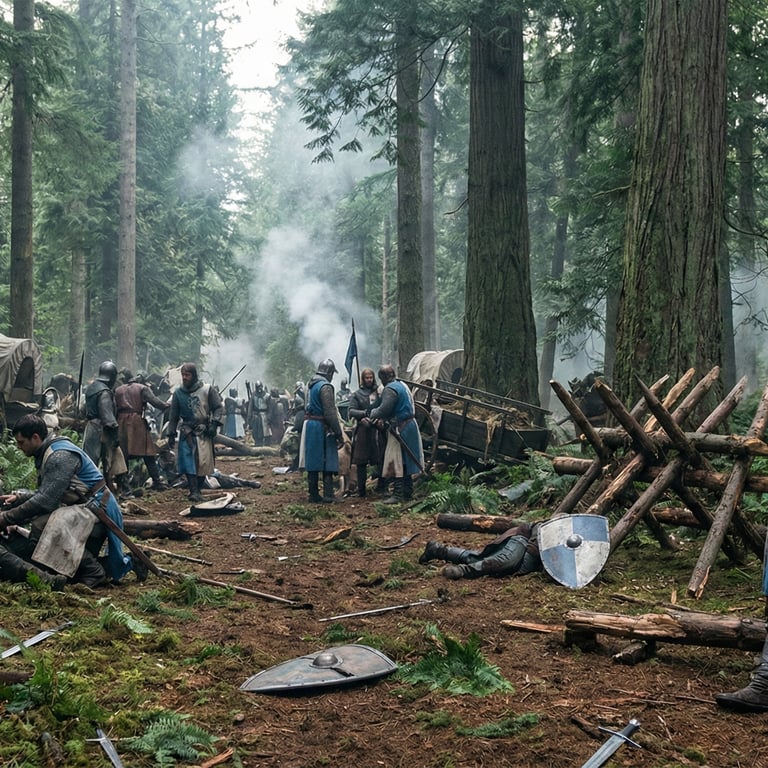
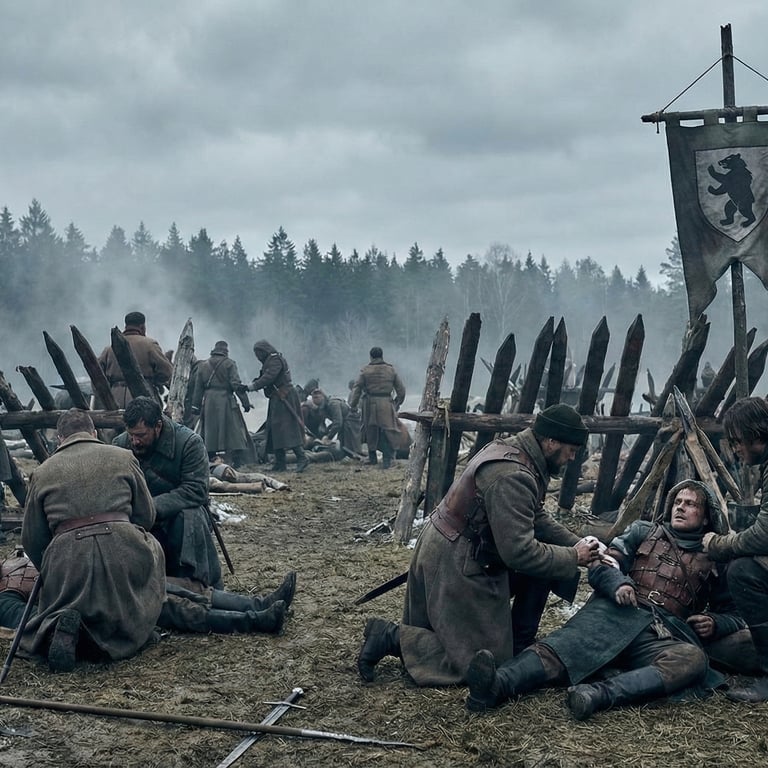
The stability of the Confederacy was destroyed in 55 AS during the Northern War. Originally a local dispute between the duchies of Navarosk and Bulikov, the conflict spiraled, forcing every duchy to take a side.
The Consolidation: By the end of the war, only five duchies remained viable powers.
The Bloodless Coup (123 AS)
The Duchy of Gormond began its ascent not through steel, but through political maneuvering, absorbing the Duchy of Volchimir without a single casualty. This established Gormond as the strategic and economic heart of the region.
III. The Sanctorian Reckoning (76 SR – 173 SR)
In 76 SR (Sanctor Reckoning), Gormond fundamentally altered its identity by declaring the Sanctorian Church the state religion. This alignment provided Gormond with a divine mandate to intervene in the affairs of its neighbors.
The Kravona Annexation (162 SR): When economic scandals crippled the Duchy of Kravona, Gormond deployed troops to "restore order," effectively ending Kravona’s independence.
The Navarosk Resistance (173 SR): Gormond's expansion was not unopposed. A successful rebellion in Navarosk briefly checked Gormond’s southern ambitions, creating a century-long rift between the two powers.
IV. The Birth of the High Realm (252 SR – 265 SR)
The final steps toward total unification were paved with the blood of the Bulikov line.
The Bulikov Succession Crisis (252 SR): A family palace coup resulted in the murder of the Duke of Bulikov.
The Final Absorption (253 SR): Claiming a need for stability, Gormond occupied Bulikov.
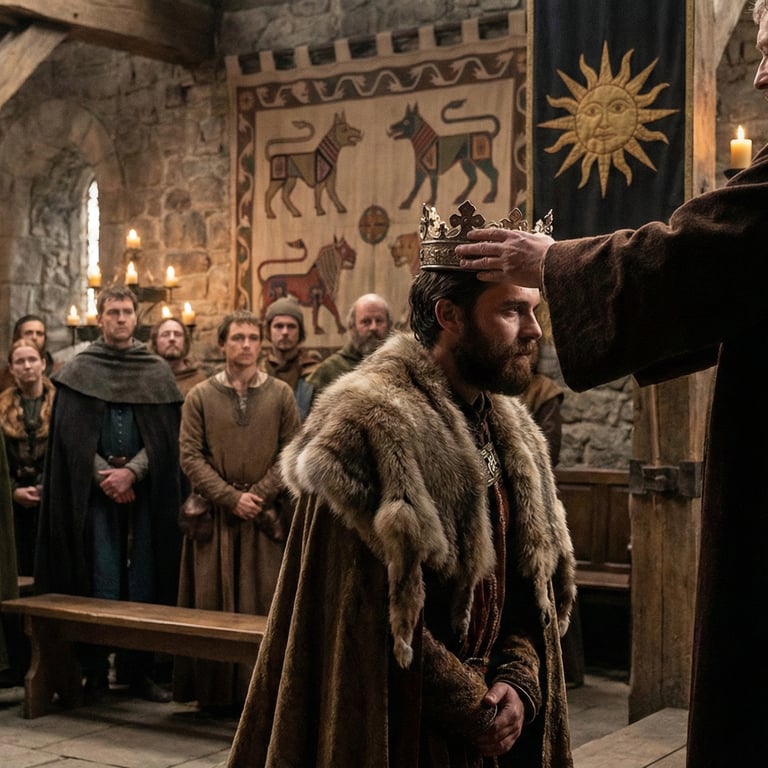
The High Realm Established (265 SR): With Navarosk finally swearing allegiance in 263 SR, the Vozhd of Gormond was crowned leader of the High Realm of Borgravia.
Political and Cultural Tensions
While the Vozhd is an absolute monarch, his power is conditional upon his devotion to the Church.
The Chronological Divide: Borgravia remains one of the few nations to reject the Ametrian Calendar (AC), viewing it as a secular intrusion. Using the Sanctor Reckoning is a point of nationalistic pride and a sign of solidarity with the Valsuer Sovereignty and the Sanctorian Protectorate.
The Resource Engine: Borgravia relies heavily on its vast timber reserves and bronze foundries. While it lacks the naval expertise of Cavasson, its control over the river confluences in Gormond makes it the primary gatekeeper of inland trade.