National Flag
Leaders
Triumvirate of Judges
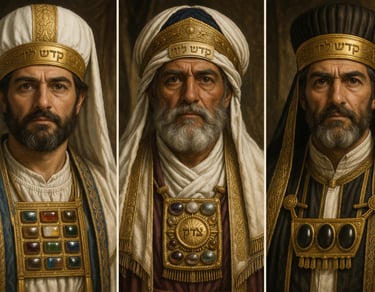
Supreme Magistrate Serun Aletha
Supreme Magistrate Orad Zemer
Supreme Magistrate Navi Shova
Capital
Shiloh
Major Cities
Asurim
Delamra
Terevon
Towns
Avi-Hai
Gesham
Kaleth
Zuarin
State of Haaret


Overview
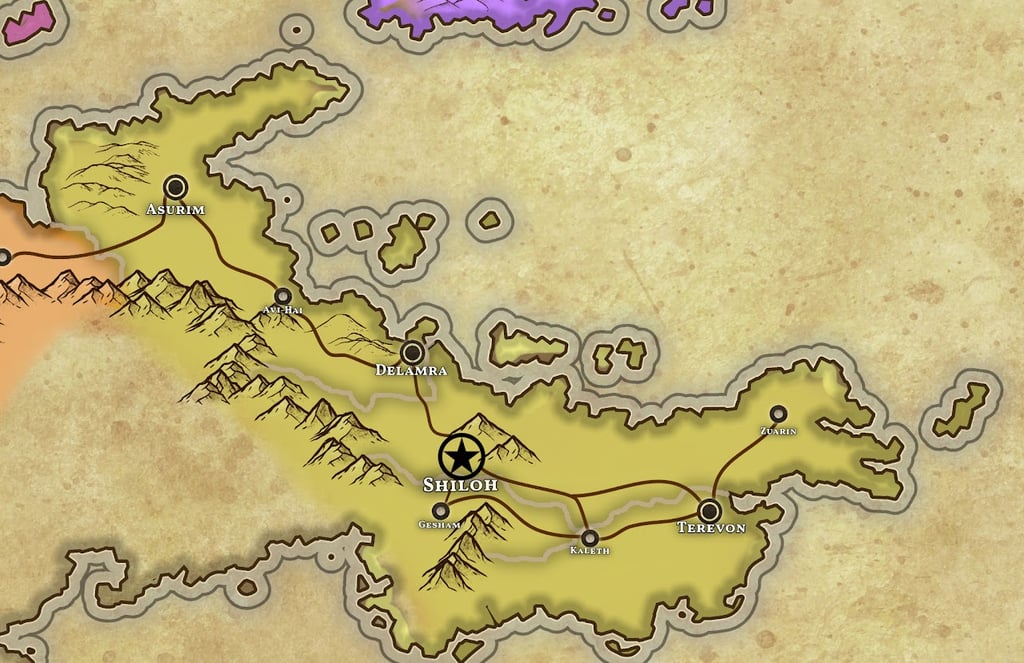
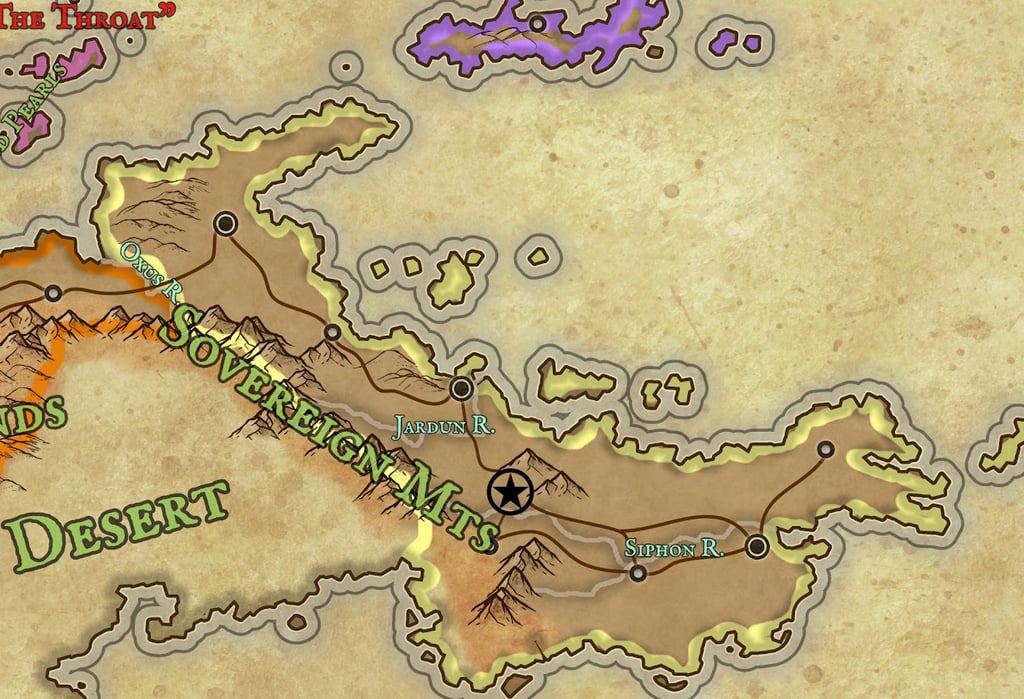
The State of Haaret is located on the northeastern edge of the continent of Meridia. Bordered to the north by the Northern Meridian Sea and to the east by the Farwater Sea, it occupies a strategic maritime position. To the south, the Sovereign Mountains form a natural barrier, while its western border touches the lands of Tartesso. Haaret is a land between old traditions and rising powers.
Geography
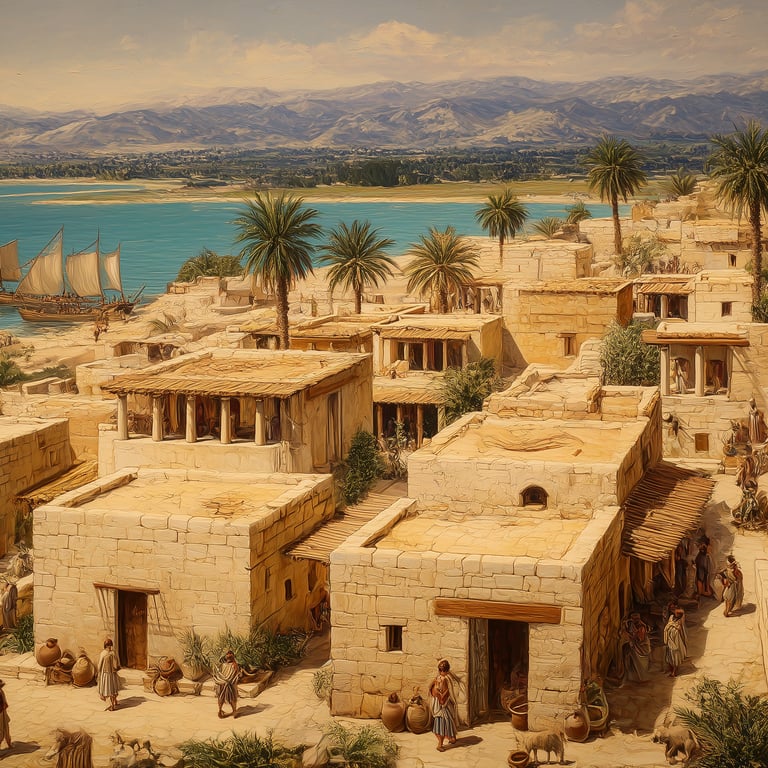
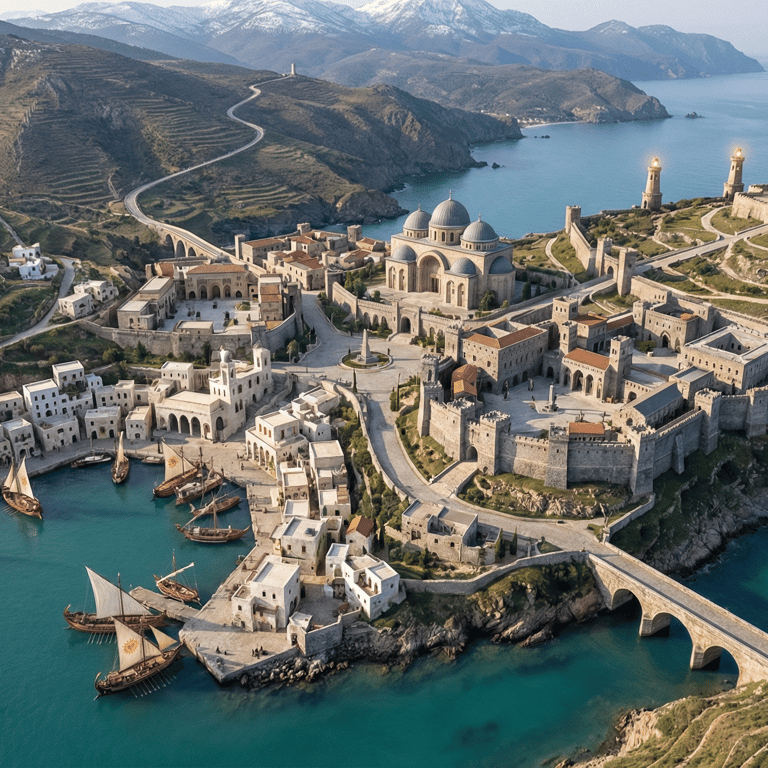
Haaret’s landscape is defined by its twin coastlines, providing access to rich maritime routes, natural harbors, and fishing waters. The interior is a mixture of fertile valleys, high plateaus, and foothills that rise into the southern Sovereign Mountains. Its climate ranges from temperate coastal breezes to arid uplands, creating diverse zones of settlement and cultivation.
Government and Politics
Haaret is ruled by a unique system known as the Triumvirate of Magistrates—three co-equal magistrates elected to staggered six-year terms by the Synod, the nation’s primary electoral and advisory body. Elections are held every two years, rotating a single judge at a time. No individual may serve more than six consecutive years and must wait a full cycle before standing for election again.
The Synod is composed of religious patriarchs, civic elders, and high-ranking military officers. It serves as both a legislative filter and a stabilizing force, ensuring continuity in governance. The Judges are not monarchs or priests, but legal stewards tasked with interpreting law, overseeing foreign and military policy, and maintaining the ethical foundations of the state.
Religion
The dominant religion of Haaret is the Sajol Religion: The Eternal Light, a monotheistic and virtue-based spiritual system rooted in cosmic creation, ethical living, and spiritual luminance.
Commerce and Culture
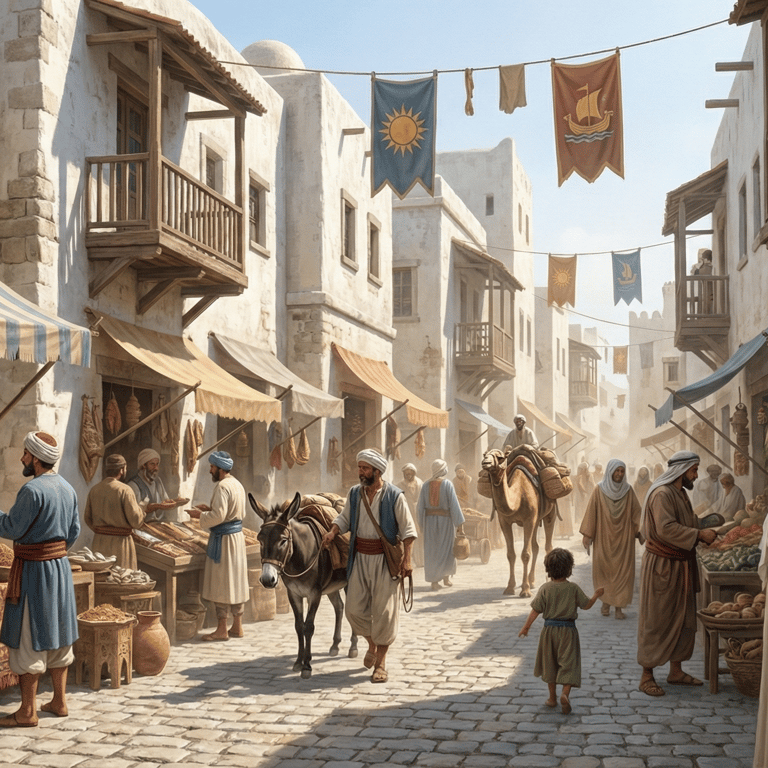
Haaret is a hub of trade, coastal farming and and inland pastoral and mining activities. Its markets are filled with rare dyes, incense resins, glassware, pottery, finely tanned leathers, and spices from eastern routes. Haaretan merchant houses, while not as far-reaching as those of Tartesso, enjoy a reputation for honesty, craftsmanship, and cultural refinement.
There are two distinct cultures in Haaret.
The Nirethi
Coastal culture — merchants, shipwrights, diplomats
Origins & Homeland
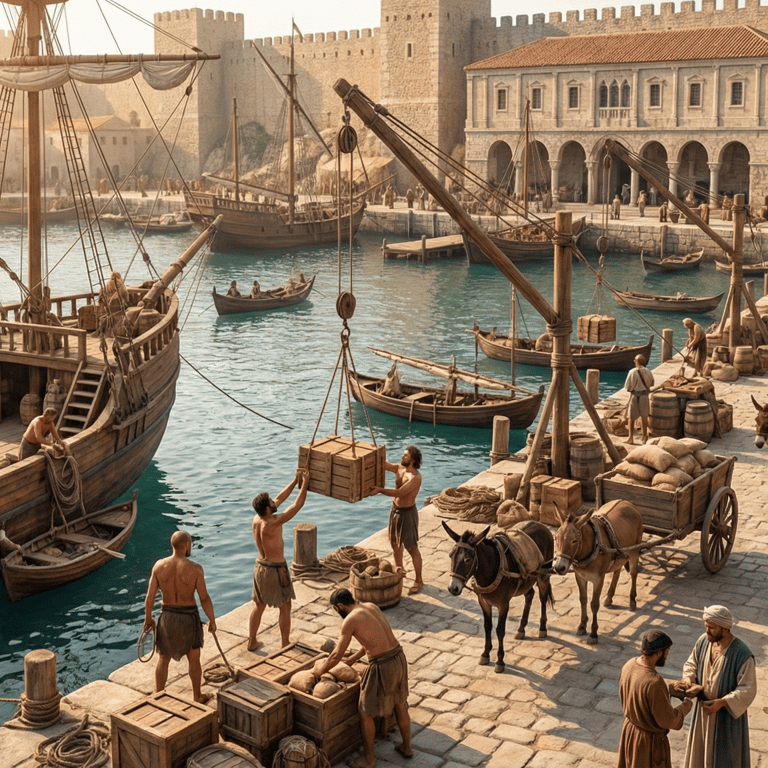
The Nirethi are the traditional inhabitants of Haaret’s eastern and northern coasts, tracing their lineage to the early seafarers who first landed along the Farwater and Meridian Seas. Their settlements grew around protected harbors, natural inlets, and coral shoals, gradually evolving into centers of commerce, diplomacy, and artisanal craft.
Cultural Traits
Pragmatic and urbane, the Nirethi value negotiation over conflict, precision in trade, and meticulous record-keeping.
They are deeply literate, and many are trained in both arithmetic and the Scrolls of Radiance.
Family lines are often tied to coastal guilds or lineage-houses, each with their own crest and merchant codes.
The Nirethi accent is considered refined, marked by soft sibilants and formal phrasing.
Contributions to Haaret
Founded the first cities that became Delamra and Shiloh, along with most of Haaret’s harbormaster guilds and naval traditions.
Emphasized the civic application of virtue, turning Sajol’s teachings into administrative law.
Their cultural diplomacy shaped Haaret’s legalistic foreign policy and emphasis on moral conduct in treaties.
The Lightbearer tradition began among wandering Nirethi prophets who carried the Codex inland.
The Haradi
Highland culture — farmers, warriors, pilgrims
Origins & Homeland
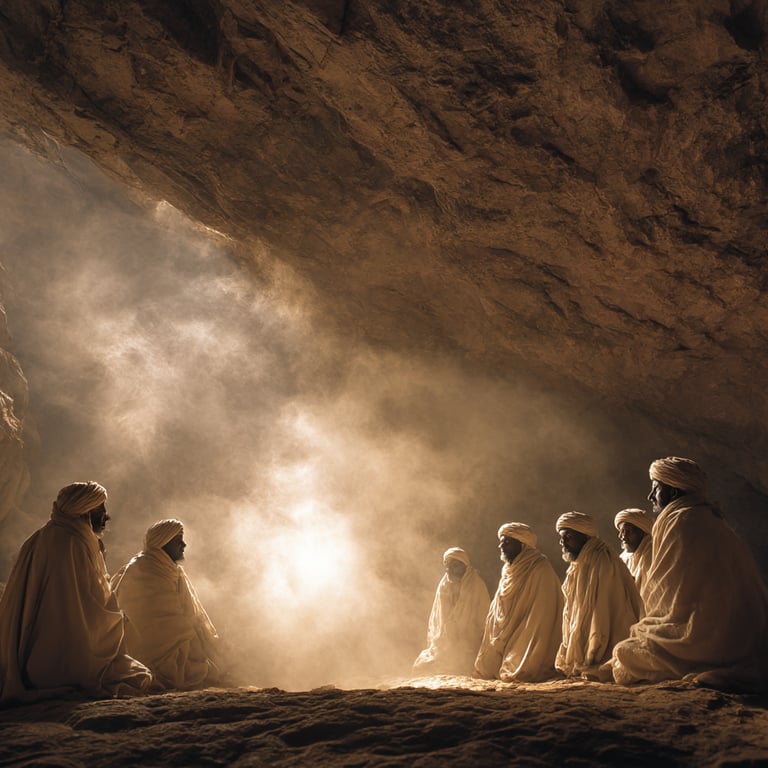
The Haradi originate from the slopes and valleys near the Sovereign Mountains, having dwelt in fortified stone villages and isolated groves long before the rise of formal cities. Oral tradition claims they were the first to witness Sajol’s light through burning visions in mountain caves.
Cultural Traits
Stoic and tradition-bound, the Haradi see life as trial and pilgrimage. Endurance, honesty, and reverence define their worldview.
Known for rugged independence, strong kinship loyalty, and austere ritualism.
They prefer spoken law and memorized scripture, often passed down through “word-bearers.”
Their dialect is clipped, earthy, and poetic—still used in some rural virtue ceremonies.
Contributions to Haaret
Built the fortress-settlements and temples of the interior, including Asurim and Terevon.
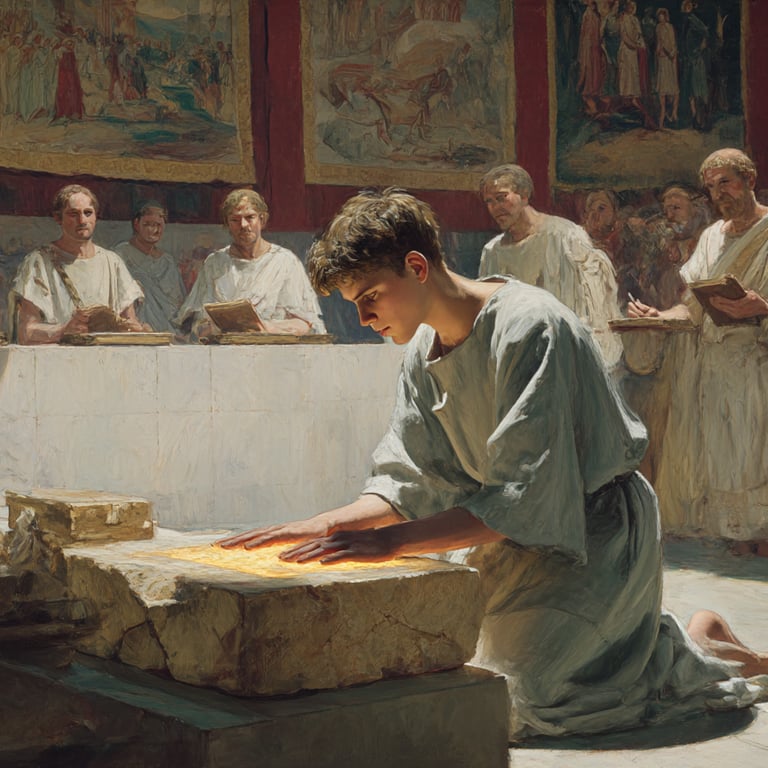
Developed the Virtue Trials as both spiritual rites and civil service qualifications.
Their ancestral clans helped establish the Magenim, originally a mountain watch sworn to protect pilgrims.
Their resistance to corruption and reverence for truth became the basis for the Mishtara’s internal charter.
Cultural Interplay in Haaret
The fusion of Nirethi and Haradi values gave Haaret its dual identity: a nation of principled governance and resilient spirit, able to navigate both sea trade and mountainous peril. The Triumvirate of Judges reflects both traditions—reasoned deliberation from the Nirethi, and unshakable duty from the Haradi. Likewise, Haaretan military and religious institutions blend seaborne agility with upland fortitude, creating a flexible but morally grounded society.
Education
Education is moral as well as practical; all children are from 6-12 years old basic letters, numeracy, and civic law. Literacy among the population is high, especially in the cities. Haaretan dress is modest, with long robes, sashes, and jewelry reflecting one's virtue or pilgrimage history more than wealth.
Foreign Relations
Allies: Sherrani Commonwealth
Neutral: Valsuer Sovereignty, Sanctorian Protectorate, High Realm of Borgravia, Crown of Brenland and Dominion of Tartesso
Political Map
Geographic Map