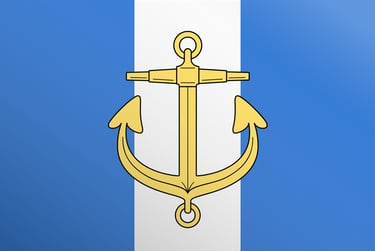
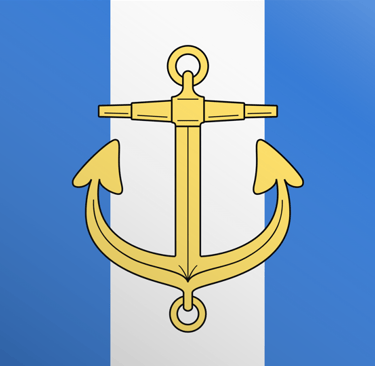
National Flag
Wallen
Capital
Leader
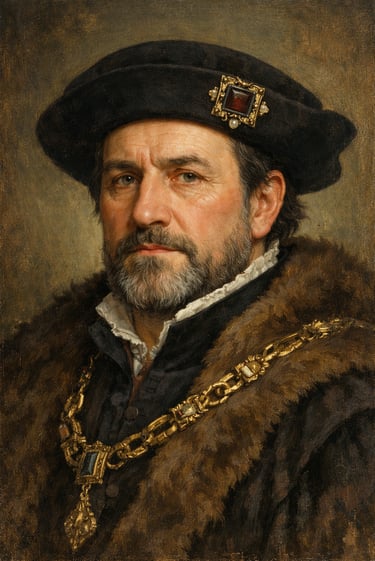
Crownlord Austol Penberthy
Capital
Rivulon
Major Cities
Stratby
Tarnleigh
Towns
Northcote
Grayholt
Braydon
Alden
Harrowport
Craymere
Crown of Brenland
Overview
The Crown of Brenland is located on the western edge of the northern continent of Ametria. It is a seafaring and militarily assertive nation with a proud legacy of continental expansion and colonial endeavor, though it has suffered recent losses due to conflict with the Sanctorian Church and the Valsuerian Crown.
The Crownland blends highland Rynnish culture in the south with dominant Brennic customs and institutions rooted in feudal hierarchy and naval prowess.
Government
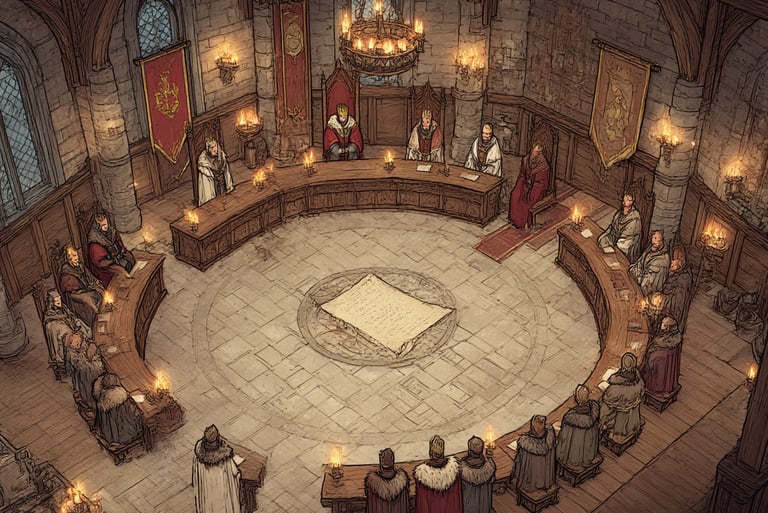
Brenland is ruled by a Crownlord, who directly controls and oversees the daily operation of government. The Crown is supported by four powerful noblemen titled Ealdormen, each commanding wide regions with the right to maintain personal retinues of professional men-at-arms These lords have considerable autonomy in local justice and taxation, though they owe fealty to the Crownlord through the Crownstead.
Local Justice: Reeves and their appointed deputies maintain law and order in towns, villages, and roads.
Economy
The economy of Brenland is a mixed agrarian-maritime system driven by agricultural exports, naval trade, wool production, shipbuilding, and coastal industry. Despite the nation’s transition from monarchy to limited aristocracy, its economy has remained resilient and increasingly mercantile, with key guilds and merchant families playing a growing role in both domestic prosperity and foreign policy.
Brenland's economic development is shaped by its island geography, seasonal climate, and a long tradition of local stewardship, as well as by the historical loss of its continental holdings, which forced a shift from land-based empire to seaborne commerce and internal consolidation.
Agriculture and Rural Production
Agriculture remains the backbone of Brenland’s rural economy, particularly in the central highlands and western dales. Farming is organized largely through yeoman families and tenant fields under Ealdormanic estates. Major crops include:
Barley, oats, and rye
Root vegetables (turnips, carrots, beets)
Beans and pulses
The Rynnish south is known for terraced farming, orchard fruits, and herbal production, with many smaller freehold communities supplying nearby towns.
Sheep herding is widespread across the northern moors and central grasslands, feeding a large wool export market. Brenland’s woven cloth, especially coarsegrey and dyed wool, is sold across Ametria.
Crafts, Guilds, and Urban Industry
Guilds are tightly woven into Brenland’s economic and political systems. The Guilds of Rivulon, Dunlowe, and Harrowport control most urban production and trade regulation. Prominent guild sectors include:
Textile Guilds – Weaving, fulling, dyeing, and tailoring
Shipwrights' Guild – One of the most influential, especially in Harrowport
Masons and Stonecutters – Central to public works, temples, and ports
Metalsmiths and Tool wrights – Producing tools, hinges, and marine fittings
Tanners and Leatherworkers – Especially in the western towns
Apprenticeship and strict guild ranks (e.g., initiate, journeyman, master) ensure quality control, but also limit social mobility outside guild systems.
Maritime Trade and Naval Infrastructure
After the loss of its continental provinces, Brenland reoriented its economy toward the sea. The Royal Navy and the Coastal Watch protect trade routes, fishing grounds, and convoy operations. Key exports include:
Wool and finished cloth
Hardwood planks and ship timbers
Salted fish and dried herring
Soap, pitch, and sailcloth
Tools, ropes, and leather goods
Imports include luxury goods (spices, dyes, silks), iron ingots, and foreign grains during poor harvests. Major trade partners include the Sherran, Vonahr, Ponterra and Tartesso.
Currency and Taxation
The official currency is the Crownmark, minted in gold, silver, and copper. Coinage is overseen by the Mint Hall of Rivulon, with local currencies accepted by value in more rural districts. The tax system includes:
Land levies on estates and baronies
Market dues on urban trade
Harbor tolls and tonnage duties on merchant ships
Guild fees and licensing revenue
The Crownmark is stable and widely accepted in coastal Ametria.
Commerce and Foreign Trade
The loss of the Severed Pearls to the Sanctorian Protectorate disrupted some coastal trade routes, but this has been partially offset by a growing alliance with the Sherrani Commonwealth and increased trade with Tartesso and Ponterra.
The Crownstead now oversees tariffs and trade agreements, with guild representatives occupying four seats and strong influence in foreign commerce policy.
Challenges and Outlook
While stable and productive, the Brenish economy faces several challenges:
Trade blockades and church-sanctioned tariffs from Valseur and Sanctorian-aligned states
Overreliance on wool in times of declining cloth prices
Tensions between guild-controlled towns and freehold farmers over market access
Piracy and smuggling along the southern regions.
Nonetheless, ongoing naval modernization, expansion of guild schools, and a rising merchant class suggest a long-term potential.
Religion and Culture
The Crown of Brenland has a rich and deeply rooted cultural heritage shaped by its island geography, naval history, agricultural rhythms, and the spiritual traditions of both its dominant Brenish population and the southern Rynnish minority. Religious life is currently defined by religious tolerance. Most Brenish are members of the Holy Covenant Church or other independent churches.
Rynnish Traditions
The Rynnish, a culturally distinct people concentrated in southern Brenland (Rynndale), maintain a unique blend of ancestral spirituality and localized Church practices. While most are formally part of the Church of Brenland, many also observe older rites such as:
Stonechanting – Hymns sung at sacred standing stones
The Reckoning Fire – A winter solstice vigil of judgment and self-purging
Ancestor Bread – A ritual of remembrance involving symbolic meals for the departed
Rynnish temples are simpler and often built near ancient groves or cairns. Reverends in Rynndale are typically bilingual, fluent in both High Brenish and the Rynnish tongue.
Culture & Social Structure
Brenish society values landholding, craftsmanship, and military service, with strong communal traditions in both rural and urban settings. The historical roles of Ealdormen, Guilds and Yeomanry continue under the constitutional order, while the Guild class has gained political and economic clout. Hospitality, honesty, and resilience are core social virtues.
In Rynndale, clans and hearth-families hold more cultural weight, and oral tradition remains a strong vehicle for history, law, and faith.
Festivals and Customs
Festival of Restoration – Spring equinox celebration of renewal and vows
Winterfest – Weeklong solstice celebration of endurance and ancestral praise
Covenant Feast (Church of Brenland) – Shared meal of recommitment and charity
Crownstead Day – Founding of the new government structure.
Marriage, funerals, and births are all marked by local variations, especially in Rynnish communities, where naming songs, binding cords, and hearth-ashes are used in ritual.
Art, Music, and Storytelling
Brenish art favors woodcarving, tapestry, and metal-inscribed sayings, often featuring ships, grain motifs, and suns. Music is modal and melodic, typically involving stringed instruments, flutes, and call-and-response hymnody in village life.
Rynnish storytelling is renowned across the realm—filled with poetic cadence, ancestral themes, and subtle mysticism. These tales are passed through bardlines, informal hereditary oral historians.
Language
High Brenish is the official language of the Realm Assembly, Church, and commerce.
Rynnish, a lyrical and older dialect, is spoken primarily in the southern highlands and border valleys. It shares root vocabulary with ancient tongues of western Ametria.
Cultural Identity
Brenlanders, whether Brenish or Rynnish, pride themselves on being stubborn, self-reliant, and duty-bound. The transition from continental to lesser power has deepened national themes of accountability, service, and resilience. The sea is ever-present in the Brenish psyche—not only as livelihood and defense, but as symbol of their enduring place in a world of shifting powers.
Foreign Relations
Allies: Grand Duchy of Ponterra and Dominon of Tartesso
Neutral: Principality of Cavasson, Sherrani Commonwealth, State of Haaret
Rival: Valsuer Sovereignty, Sanctorian Church, Sanctorian Protectorate
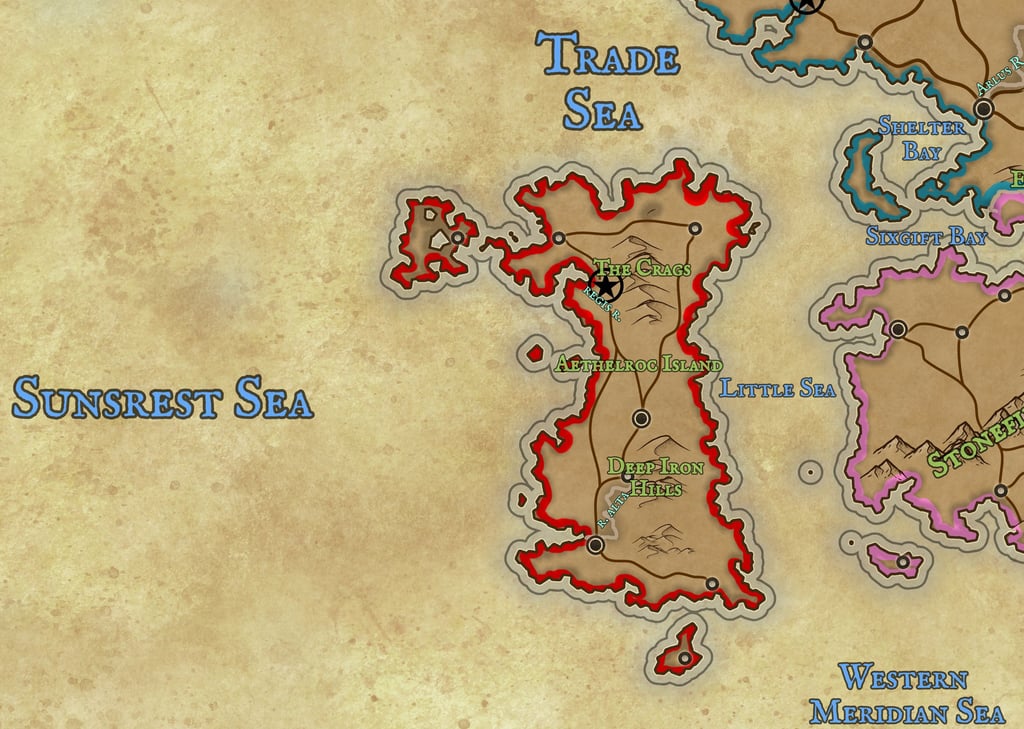
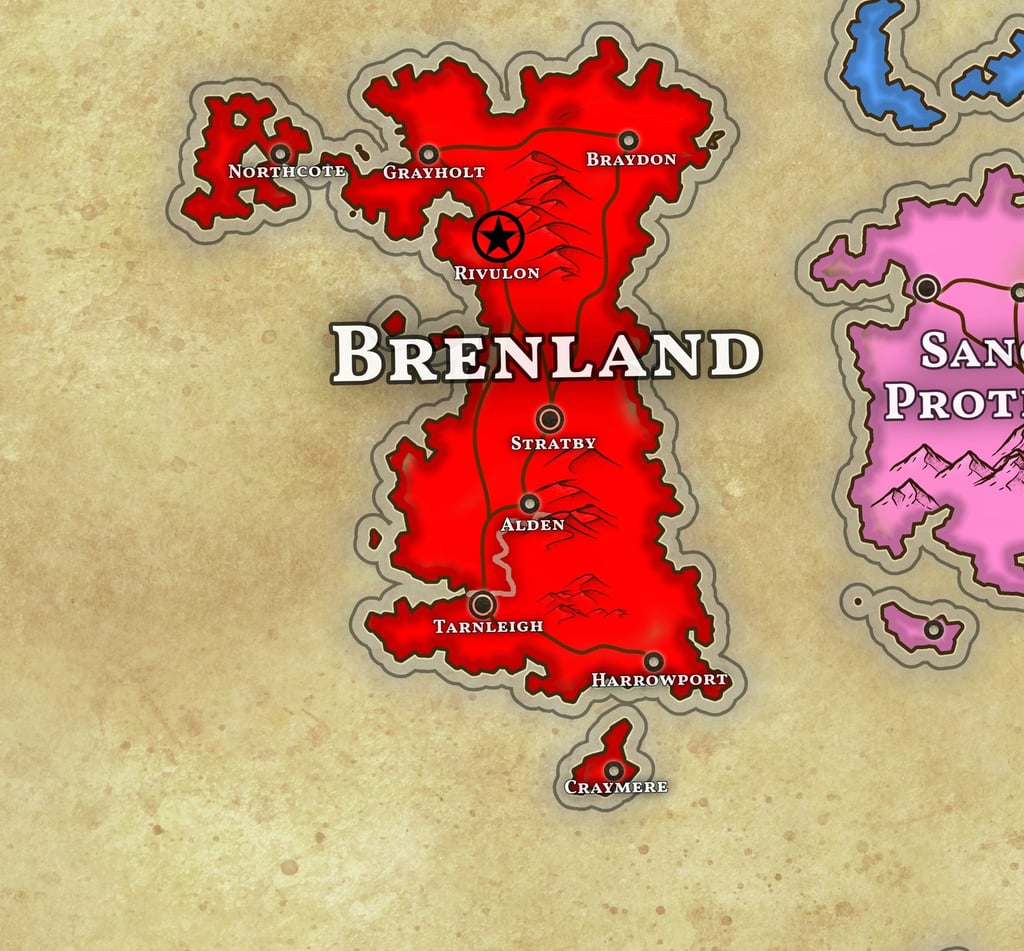
Political Map
Geographic Map