Sajol Faith
Overview and Deity
The Faith of Sajol is a monotheistic religion centered on the worship of Sajol, the Eternal Light, who is believed to be the singular Creator of the universe and the final judge of all souls.
The faith is dominant in the region of Haaret, and its influence stretches across portions of North Meridia, especially among coastal and upland peoples. It is a decentralized religion with strong traditions of scholarship, reflection, and virtuous living.
Though there is no central religious authority, learned clerics and illuminated sages hold great influence within their communities
Religious Doctrine
The central tenets of the Faith of Sajol are contained within the sacred Luminous Codex, and are often summarized in the Three Illuminations:
Unity of the Divine: There is only one true god, Sajol, the Eternal Light. All that exists came from His radiance.
Virtuous Action is the Measure of the Soul: Sajol judges mortals by their actions, not by birth or belief alone. Compassion, justice, humility, and perseverance are signs of a luminous soul.
The Final Unraveling: At the end of time, Sajol will call all luminous souls to Him. Those who are dim with wickedness will either reincarnate to walk the path again or be dissolved into nothingness if fully corrupted.
Sajol is not depicted in form but symbolized by light, particularly a radiant orb within a ring of flame-like script - See image below.


History
The earliest worship of Sajol is believed to date back to the First Epoch, when desert tribes followed wandering seers known as the Voicebearers. Over time, their oral teachings were collected into written form during the Luminous Codex and the Faith began to spread across trade routes and caravan cities of northern Meridian.
During the War of Eight Lanterns, several petty kingdoms, that have since vanished, attempted to claim sole authority over the Faith, but the resulting devastation led to the permanent decentralization of Sajolite worship. Since then, no one city or temple claims primacy.
The Faith of Sajol is the main religion in Haaret, where it is the dominant as well as Tartesso where it was dominate until the Sanctorian Church and the Daisonite faith have been shared. Its theological tolerance, emphasis on deeds over dogma, and symbolic use of light have made it appealing even in pluralistic societies.
Holy Texts
The Luminous Codex
The central scripture, revealed over centuries to various Illuminated prophets. Includes laws, proverbs, parables, and divine proclamations.
The Prophetic Histories
A record of Sajol’s chosen emissaries and their deeds, offering moral instruction through example.
The Book of Virtues
A poetic text divided into six cycles, each honoring a divine virtue (Courage, Compassion, Truth, Temperance, Perseverance, Humility).
The Hymnal of Light
Collection of sacred songs and verses used in ceremonies and meditation.
The Ephemeral Leaves
A controversial set of mystical writings often revered by sages, containing apocalyptic visions and metaphysical speculation
Religious Practices
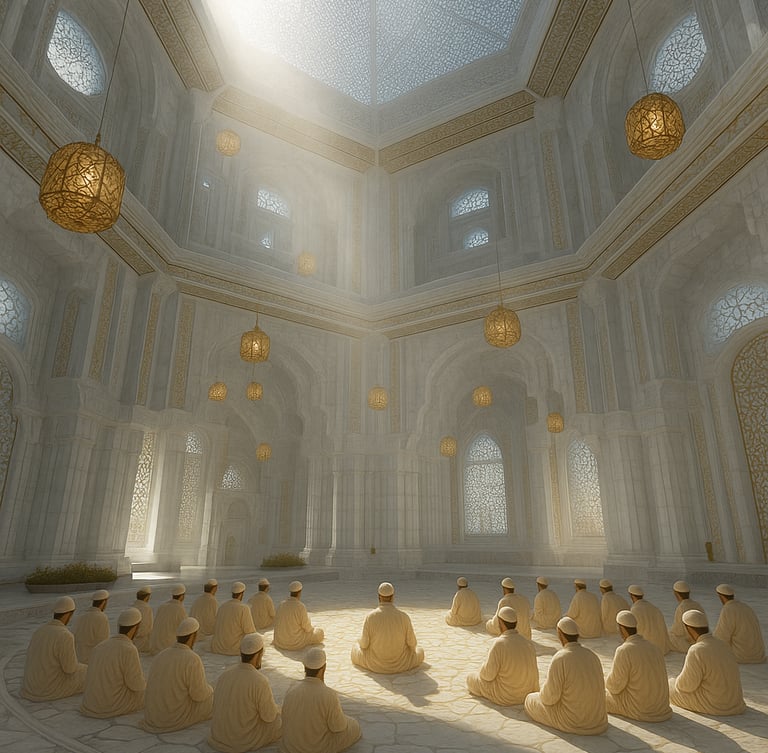
Sunward Prayer – Performed daily at dawn and dusk, facing the rising or setting light. Done in silence or accompanied by chanted verses from the Hymnal of Light.
Virtue Reflection – Weekly communal gatherings where members discuss actions and reflect on one of the Six Virtues.
Illumination Fast – A 10-day period before the Feast of the Luminant Path; devotees fast from luxury and offer alms.
The Lustration – A ritual cleansing performed before holidays or after moral failings, using scented oils and water to symbolize inner renewal.
Book of Deeds – Many Sajolite homes keep a personal journal in which the head of household records virtuous or wicked deeds, to be read before the Vigil of the Final Unraveling.
Clergy Titles
Hierophant – A learned master of doctrine and sacred law; often leads study halls and interpretations.
Virtue Keeper – Regional spiritual leaders who guide moral life and community affairs.
Lightbearer – Local preachers and prayer-leaders, responsible for weekly gatherings.
Illuminated – Honorary title for elders or mystics recognized for exceptional holiness and wisdom.
Luminous Child – An honorific title for itinerant oracles, poets, or sages believed to be touched by Sajol’s grace.
There is no singular figure of authority. Councils of Hierophants sometimes gather to resolve theological disputes or issue moral guidance, but their rulings are advisory rather than binding.
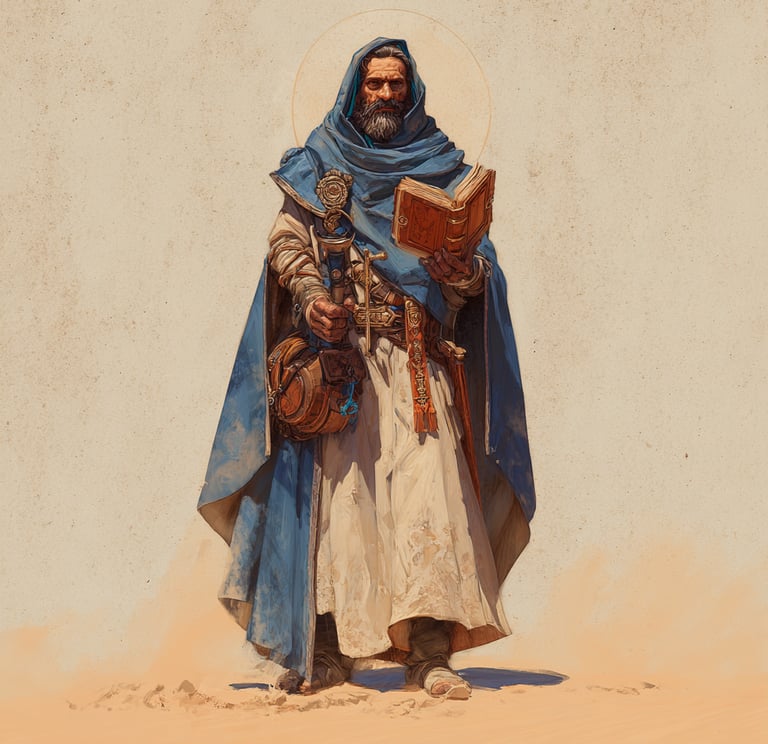
Virtue Keeper
Houses of Worship
Radiant Dome
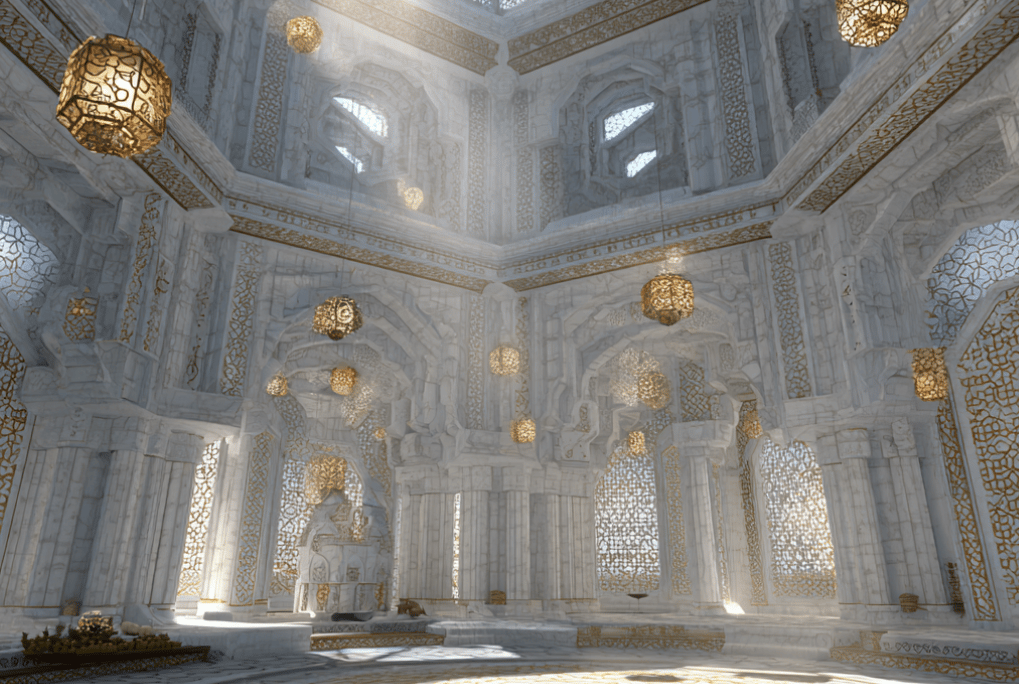
Religious Holidays
Day of Dawn – New year and celebration of Sajol’s first illumination; marked by sunrise prayers and acts of charity.
Cycle of Virtues (40 Days) – Each week is dedicated to one of the Six Virtues. Devotees strive to practice the highlighted virtue in daily life.
Feast of the Luminant Path – A midsummer celebration honoring the guidance of Sajol and the memory of past prophets; processions and storytelling abound.
Vigil of the Final Unraveling – A solemn day of reflection near the end of the year, meditating on one’s deeds and seeking forgiveness before the year’s light fades.
Rekindling Night – Celebrated on the shortest night of the year. Fires are lit to represent Sajol’s endurance in the hearts of the faithful.